
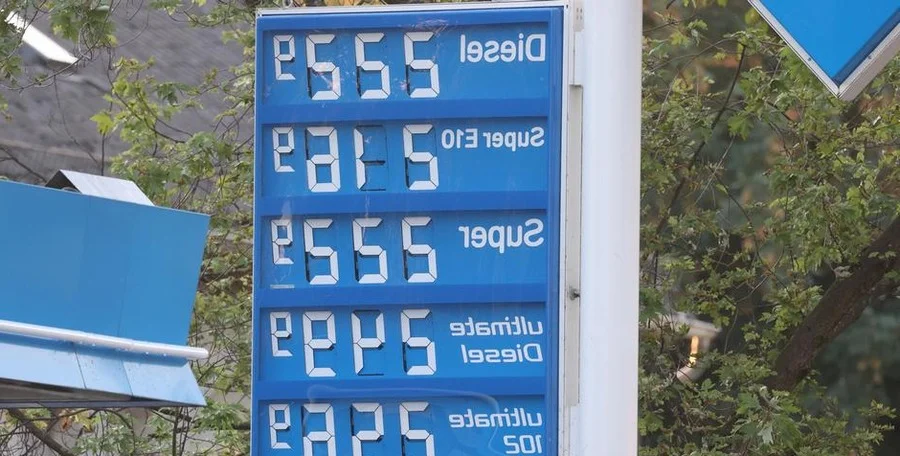
German lawmakers have approved a temporary reduction in the national fuel tax, signaling a key moment in German policy shifts. From October 1, taxes on gasoline and diesel will decrease by approximately €0.17 per liter. This measure seeks to help citizens manage escalating fuel prices, which recently hit record highs across the country. This marks the second such tax cut this year and is projected to cost federal and state governments €2.5 billion in lost revenue.
However, Germany faces multiple challenges. Low water levels persist on the Rhine River, a vital trade artery. A gauge near Koblenz registered a mere 2 centimeters on Thursday, the lowest since 1856. Such disruptions pose significant economic risks, potentially reducing industrial output by 1% for every 30 days of low water. Furthermore, a new law will hold e-scooter rental companies liable for accidents, making it easier for victims to seek compensation.
In foreign policy, German Defense Minister Boris Pistorius visited Budapest to “restart” military cooperation with Hungary. This move follows a change in Hungary’s government, which seeks to reset ties with NATO and the EU. Separately, Foreign Minister Johann Wadephul traveled to Canada. He discussed deeper cooperation amid talks of Canada’s potential associate membership in the European Union, signing a confidentiality agreement for classified document exchange.
Domestically, Berlin’s Left Party has authorized exploratory coalition talks with the Greens and Social Democrats (SPD). This follows their victory in the recent state election. Elsewhere, Saxony’s Interior Minister, Armin Schuster, is pushing a controversial plan to limit asylum rights. His proposal links asylum intake to municipal capacity and aims for stricter deportation measures. Moreover, students across Germany have protested against the potential reintroduction of military conscription, which was suspended in 2011. In a contentious local decision, the town of Heidenau banned new “Stolpersteine” (stumbling stones) memorializing Holocaust victims, drawing widespread criticism.


