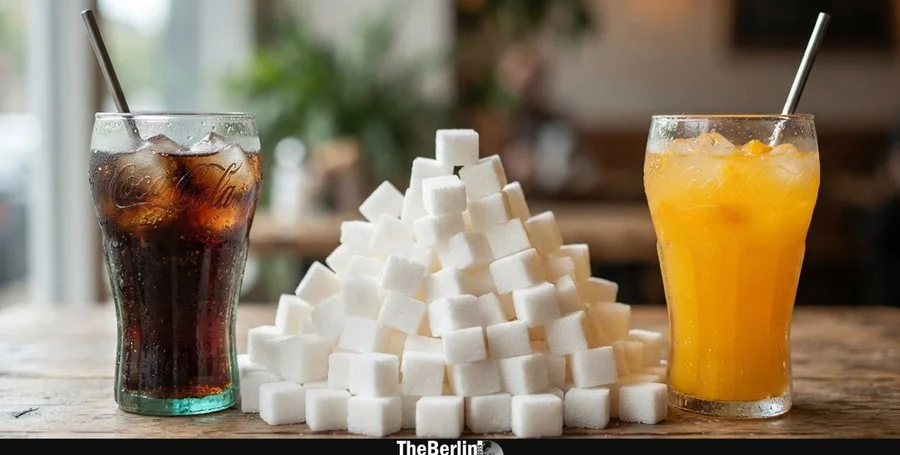
Germany’s federal government is advancing plans for a new German sugar tax on heavily sweetened beverages. This measure aims to curb consumption, improve public health, and stabilize statutory health insurance contributions. The tax is set to begin in 2027.
The ruling CDU and SPD parties agreed on the levy, following Health Ministry recommendations. Drinks with less than five grams of sugar per 100 milliliters will be untaxed. Beverages with five to under eight grams face a 26-cent per liter charge. Those with eight grams or more will incur a 32-cent per liter levy. Rates will adjust annually for inflation.
Pure fruit juices and artificially sweetened drinks are exempt. Manufacturers will collect the tax. This encourages them to reformulate products with less sugar. A twelve-month transition period is planned for producers.
The government expects approximately 450 million Euros annually, earmarked for health insurance. Modeling suggests the tax could prevent thousands of new diabetes cases each year. It may also save statutory health insurers €20-170 million annually long-term, particularly benefiting children and disadvantaged groups.
However, an internal Finance Ministry paper proposing an expanded tax caused controversy. It suggested taxing sugar-free drinks, beer mixes, and oat beverages. Finance Minister Lars Klingbeil (SPD) and Chancellor Friedrich Merz (CDU) quickly dismissed the idea. They affirmed no tax would apply to sugar-free drinks, calling the leaked draft “unworkable.”
Health experts and consumer advocates strongly support the German sugar tax. They see it as vital for reducing obesity and diabetes, especially among children. Conversely, the food industry and some politicians, like Hesse’s Premier Boris Rhein (CDU), oppose it. Rhein argued against increasing costs for citizens already facing high prices.
Industry groups, including German Brewers, warned the tax would deepen existing crises. Consumer organization Foodwatch, by contrast, urged swift implementation on sugary sodas. They want to avoid distractions over sweeteners or other drinks.
Public opinion remains divided. A YouGov poll indicated 43 percent support for a sugar-sweetened drink tax. However, 44 percent opposed any new beverage tax, while 17 percent favored taxing artificially sweetened options.