New data indicates a significant increase in Recession Fears across Germany. The rising cost of living currently dominates national concerns, according to the annual “Fears of the Germans 2026” study. Financial worries are clearly escalating for many households.
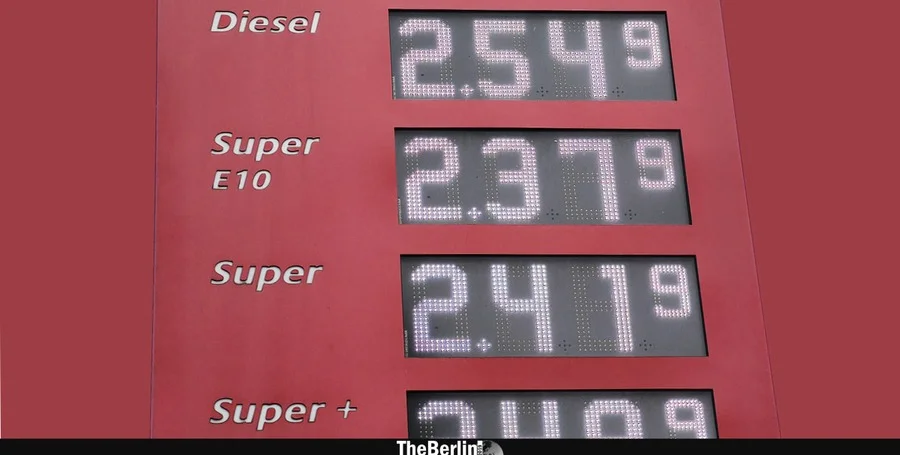
Almost 59 percent of Germans expressed concern over sharply rising living costs. This figure represents a notable seven-percentage-point jump from the previous year. Specifically, 60 percent of people in western Germany feel this burden more acutely than their counterparts in the east, where the figure stands at 53 percent.
Expert Grischa Brower-Rabinowitsch, who leads the study, noted a clear surge in financial anxieties. Political scientist Isabelle Borucki from the University of Marburg, an advisor to the study, highlighted higher prices for energy, housing, and food. She explained that households possess less disposable income for leisure activities or major purchases, indicating that “people can afford less and less.”
The fear of a looming recession saw the most dramatic increase, climbing ten percentage points. It now sits at 51 percent, up from 41 percent just a year ago. This significant rise pushed it from tenth to fourth place among all worries. Ms. Borucki labeled this surge in Recession Fears as the study’s strongest signal, describing it as an early warning system. She further suggested this increase reflects “a collective loss of confidence in the country’s economic future.”
Other financial concerns also ranked high on the list. Fifty-three percent of respondents worry about tax increases or cuts in benefits, marking a four-point rise. Half of those surveyed also fear that housing will become increasingly unaffordable.
Migration remains a substantial topic, even as immigration numbers decline. Fifty-two percent believe the state is overburdened by the number of refugees. Additionally, 47 percent anticipate social tensions from further immigration. These concerns have grown notably in western Germany.
Public trust in politicians has also suffered, with 48 percent fearing that politics is overwhelmed by its numerous tasks. This is a six-point increase from last year. Germans gave their government and opposition an average grade of 4.1, the worst result since 2018. Ms. Borucki remarked that many had hoped for stronger leadership and a swift economic recovery from the current coalition.
By contrast, global political concerns play a smaller role. Forty-five percent fear that U.S. President Donald Trump’s policies make the world more dangerous, significantly down from a peak of 69 percent in 2018. Concerns about increasingly powerful authoritarian rulers also fell to 41 percent. Ms. Borucki attributes this decline to a habituation effect, suggesting people are now looking more inward.
Despite these specific worries, the overall level of anxiety remains comparatively low. The average of all fears stands at just 38 percent. This figure is only two points above 2021, the least anxious year recorded, and well below the 2016 peak of 52 percent. Several fears, including those about climate change and natural disasters, reached their lowest values since the study began, despite recent extreme weather events. Ms. Borucki posited that resignation or financial pressures might be overshadowing other concerns.
Other worries include political extremism (41 percent), a split in society (37 percent), and Germany being drawn into a war (34 percent). One in three Germans also fears the consequences of artificial intelligence. Notably, the fear of job loss, at 20 percent, is the lowest since 1992. The fear of crime is even lower, at 19 percent.
The insurer R+V conducted this comprehensive study annually since 1992. Approximately 2,400 individuals aged 14 and older were interviewed in person between May 11th and July 29th, 2026.