Germany has officially implemented a new German fuel rebate package. This initiative aims to provide urgent relief as citizens face historically high prices at the pump. Diesel, E10 gasoline, and high-octane Super fuels have reached unprecedented levels across the nation.
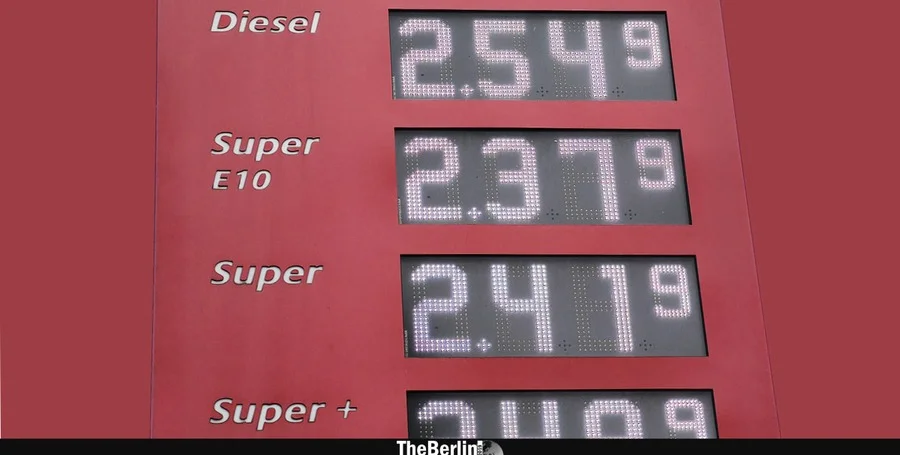
In Berlin’s Friedenau neighborhood, for example, Diesel recently cost 2.55 Euro per liter. E10 gasoline sold for 2.38 Euro, and Super fuel was 2.49 Euro on a recent Friday afternoon. These figures translate to roughly $10 to $11 per gallon in U.S. currency.
The German government sought immediate action due to months of sustained global energy market volatility. Therefore, it successfully pushed the fuel rebate through both parliamentary houses. The Bundestag and Bundesrat quickly approved the measure.
This relief package will lower the energy tax by 14 Euro cents per liter. An automatic VAT reduction further contributes to the savings. Consequently, consumers will see a total decrease of 17 cents per liter.
Despite this reduction, fuel prices remain significantly elevated. Diesel would still cost 2.38 Euro per liter, and E10 gasoline 2.21 Euro. High-octane Super fuel would be 2.32 Euro. By contrast, a liter of Diesel cost only 99 cents during the Corona crisis. It was 1.72 Euro in late June 2026.
Filling a 50-liter tank with Super fuel currently costs 124.50 Euro. With the rebate, this price drops to 118 Euro. This saving of 6.50 Euro allows for about 2.5 additional liters of fuel. This amount typically provides an extra 25 to 50 kilometers of driving range.
Chancellor Friedrich Merz’ administration also plans further action. It intends to introduce a fuel price cap. This cap will consider crude oil prices, storage, transport, and insurance costs. Moreover, a modest profit margin for mineral oil companies will be included.
This price cap aims to ensure the rebate genuinely benefits consumers. It is set to apply from January 1st at the latest. The measure will remain in effect as long as the Middle East crisis continues.
The initial rebate will run from October 1st until the end of the year. If fuel prices do not improve substantially, Berlin will explore “targeted measures.” These steps would aim to prolong the essential relief.
The government integrated this package into an existing law to save time. This fast-tracking avoided lengthy debates within the Bundestag. Consumers should feel the price decrease as soon as possible. President Frank-Walter Steinmeier’s approval is now the final step for implementation.
This is not Germany’s first German fuel rebate. A similar program was launched last spring. However, oil companies previously failed to pass on the full savings to consumers. Therefore, close monitoring will be essential this time around.
The relief package comes with a substantial cost of 2.5 billion Euro. This sum will be covered by both the federal government and Germany’s federal states. Ultimately, German taxpayers will finance the rebate they receive at the pump.