Recent German state elections have delivered significant shifts in the political landscape. Exit polls reveal substantial gains for both far-right and far-left parties, consequently challenging Germany’s established political order.
In Mecklenburg-Western Pomerania, the far-right Alternative for Germany (AfD) secured a robust 37-38 percent of the vote. This narrowly outpaced the centre-left SPD, which garnered 35.5-36.5 percent.
Meanwhile, Chancellor Merz’s centre-right CDU barely cleared the five percent threshold in the state. This minimum is required to remain in parliament. Merz himself admitted the result was a “disaster.”
Berlin’s polls also presented a difficult scenario for the CDU. The far-left Die Linke party achieved 24.5-26 percent, seemingly set to defeat the CDU. The Christian Democrats, currently leading the city’s coalition, only managed around 20 percent there.
The AfD additionally secured 16 percent in Berlin. However, other major parties have agreed to a “firewall” of non-cooperation. Therefore, the AfD remains excluded from power in both states.
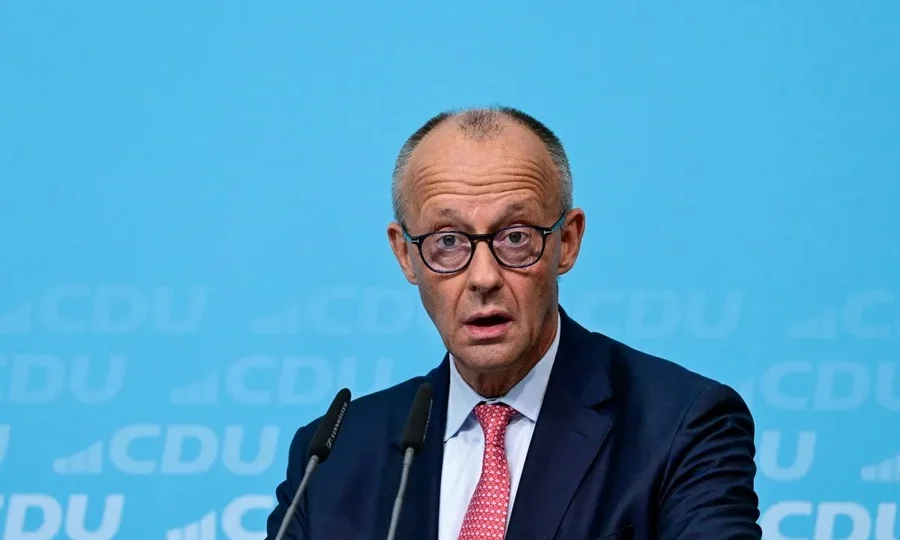
Chancellor Merz convened a crisis meeting of his party leadership ahead of the anticipated poor results. He quickly addressed the cameras, vowing to maintain his political course. This commitment followed recent speculation regarding his potential ousting.
“The reforms have to come,” Merz stated emphatically. “I am taking on this responsibility because I want to move our country forward.” He is 70 years old.
Merz has battled rumors of his removal from the CDU/CSU bloc. His personal approval ratings have plummeted to a record low after 16 months in office. His occasionally blunt comments have not helped.
The Chancellor has also cleared his schedule for the coming days. He notably skipped a trip to the UN General Assembly. This decision aims to address the potential aftershocks from these pivotal German state elections.
These latest setbacks follow a significant defeat for the CDU two weeks prior. The AfD delivered a stunning blow in the state of Saxony-Anhalt. Merz had assumed office last May, promising to revive the economy, strengthen the military, and curb immigration. Yet, the AfD now leads nationwide polls.
Eight CDU state premiers offered Merz some much-needed support recently. They jointly declared Germany needed “stability now more than ever,” rejecting “discussions about personnel.” However, they refrained from offering a personal endorsement for Merz.